
-
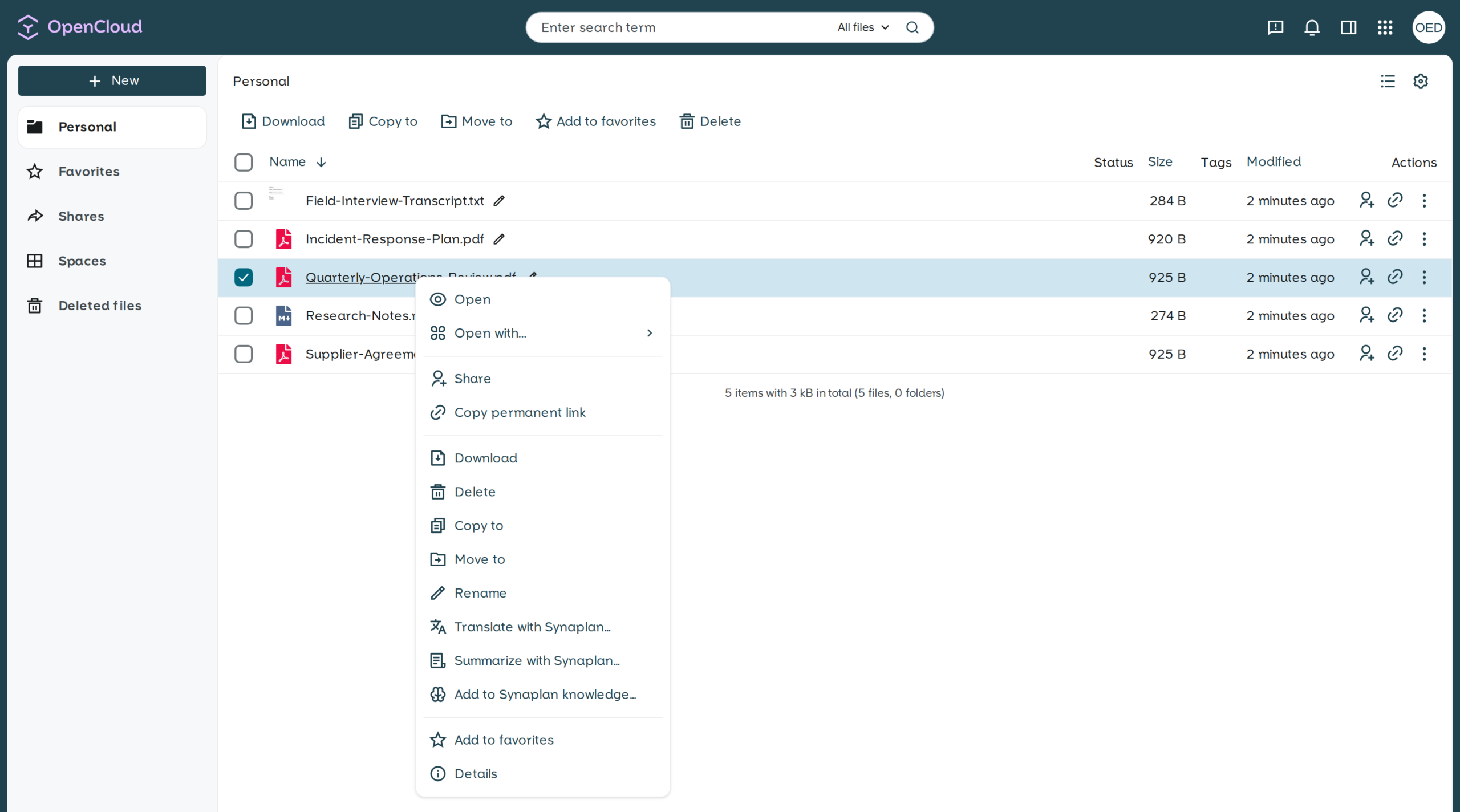
Sovereign AI Over Your Own Files: OpenCloud and Synaplan on Open Edge Cloud
Most “AI for your documents” products ask you to accept one thing quietly: your files get copied to somebody else’s inference endpoint. For a lot of workloads that is fine. For the ones we host, it is the whole argument. Unreleased masters, case files, patient records, controlled unclassified information, deal documents. Material whose value depends…
-

We Upgraded Production to OpenStack 2026.1. The VMs Never Rebooted.
In April we published what OpenStack 2026.1 Gazpacho contained and said we were planning our upgrade path. On August 19 we ran it, across the whole production cloud, in a single morning. Here is what actually happened, with the numbers.
-
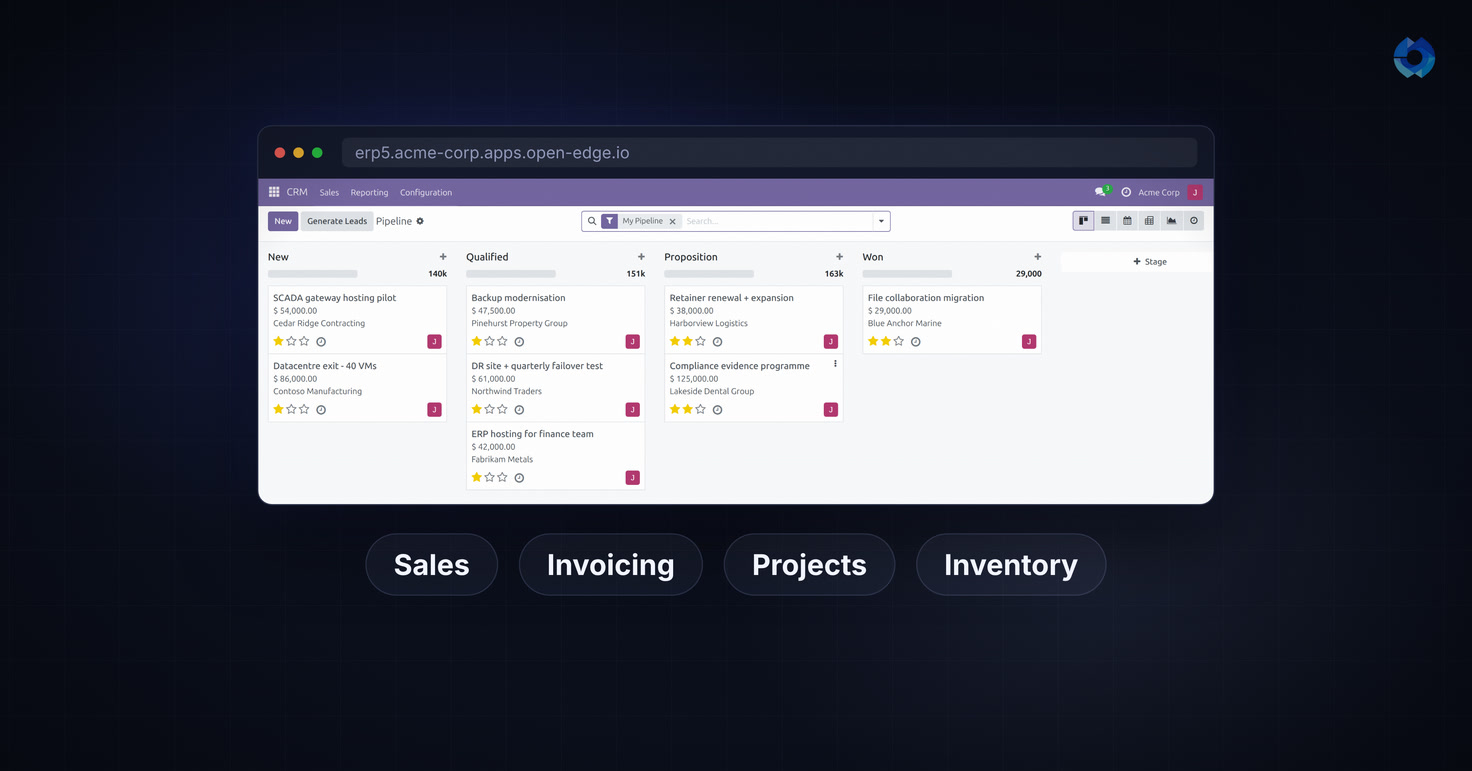
Real ERP, None of the IT
Quotes in one tool, invoices in another, the real numbers in a spreadsheet. There is a third option between an expensive SaaS suite and running a server yourself.
-

Architectural vs Contractual: Reading the OpenInfra Sovereignty Whitepapers From a US Operator’s Seat
The OpenInfra Foundation published two whitepapers on digital sovereignty this month: Best Practices with OpenInfra for Digital Sovereignty and OpenStack vs Proprietary Clouds: A Digital Sovereignty Comparison Guide. Both are free and ungated, and both are worth your time. But they are written from a vantage point where “sovereignty” mostly means GDPR, DORA, and European…
-
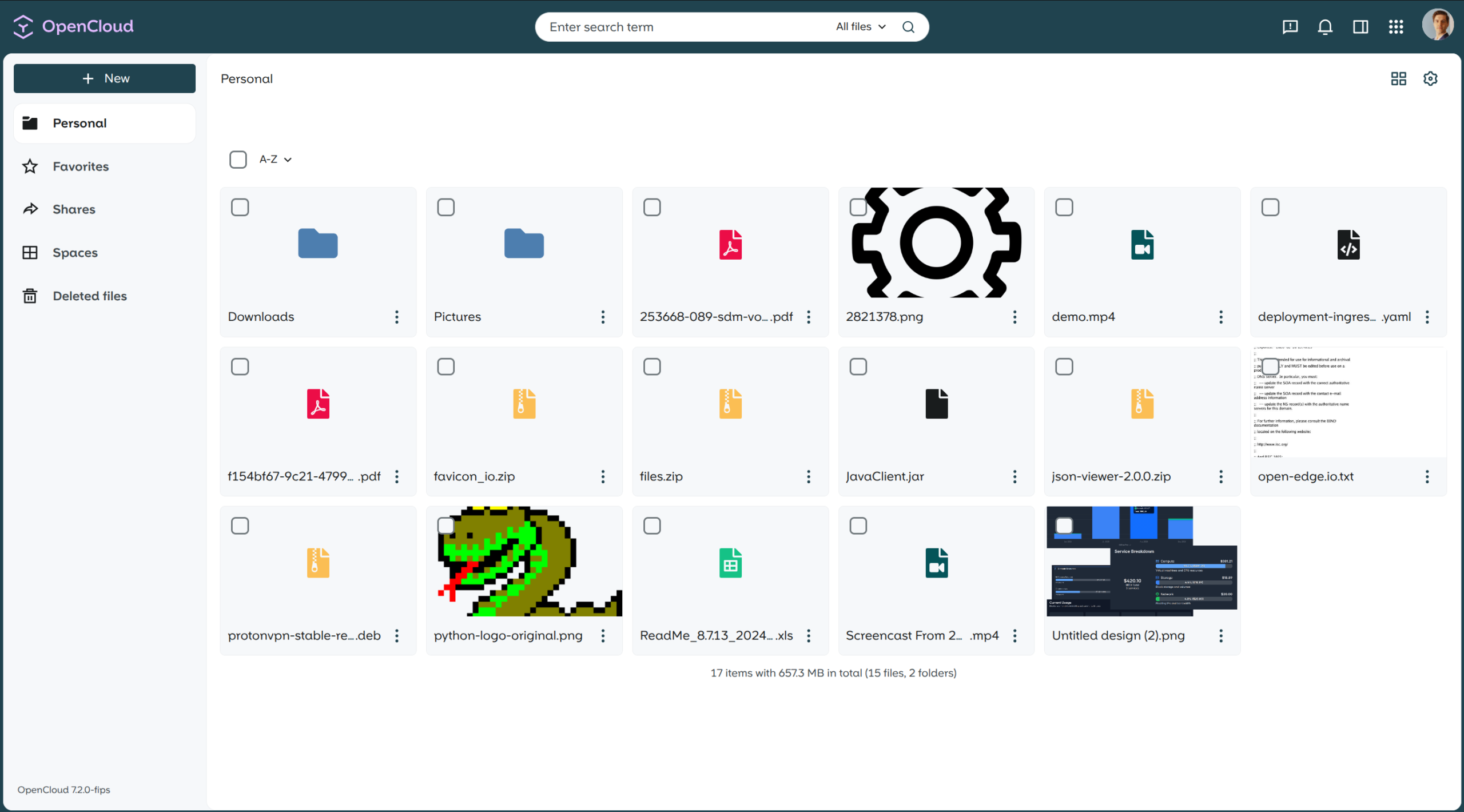
Now Available: Managed OpenCloud 7.2 on STIG-Hardened, FIPS-Enabled Instances
Managed OpenCloud 7.2 is now available on Open Edge Cloud: dedicated, isolated instances on a STIG-hardened, FIPS-enabled foundation with FIPS 140-3 validated cryptography, your choice of identity, dedicated S3 storage, and the whole lifecycle managed for you.
-
Where Your Clients’ Financial Data Lives: A Data Sovereignty Checklist for Accounting Firms
Accounting firms hold their clients’ most sensitive financial data. An 8-point checklist for evaluating where that data actually lives: residency, access, audit trail, key custody, WORM retention, and breach cooperation.
-
Client Confidentiality in the Cloud: A Data Sovereignty Checklist for Law Firms
A law firm’s duty of confidentiality follows the data onto infrastructure it does not own. An 8-point checklist for evaluating where client files actually live: residency, personnel, matter-scoped access, audit trail, key custody, legal hold, portability, and breach cooperation.
-

The 72-Hour Clock: DFARS 252.204-7012 and What Your Cloud Provider Owes You
DFARS 7012 is not just the 110 controls CMMC assesses. It is a 72-hour reporting clock, a 90-day preservation duty, and a cloud paragraph with two halves most vendor conversations skip. Here is the obligation-ownership split.
-
The VMware Renewal Letter: What Mid-Market IT Should Do Before Signing
A 90-day checklist for the mid-market IT team staring at a VCF or VVF renewal quote that is two to ten times last cycle. Get your real core count, price your actual requirement, and use the renewal as leverage.
-

OpenCloud 7.0.0: What’s New, and What It Means If Someone Else Runs It For You
OpenCloud 7.0.0 brings a rebuilt sharing backend with a one-time migration blackout window, plus security hardening. Here is what changed, and why managed customers read about it in a release note instead of performing it at 2 a.m.